

📌 Introduction
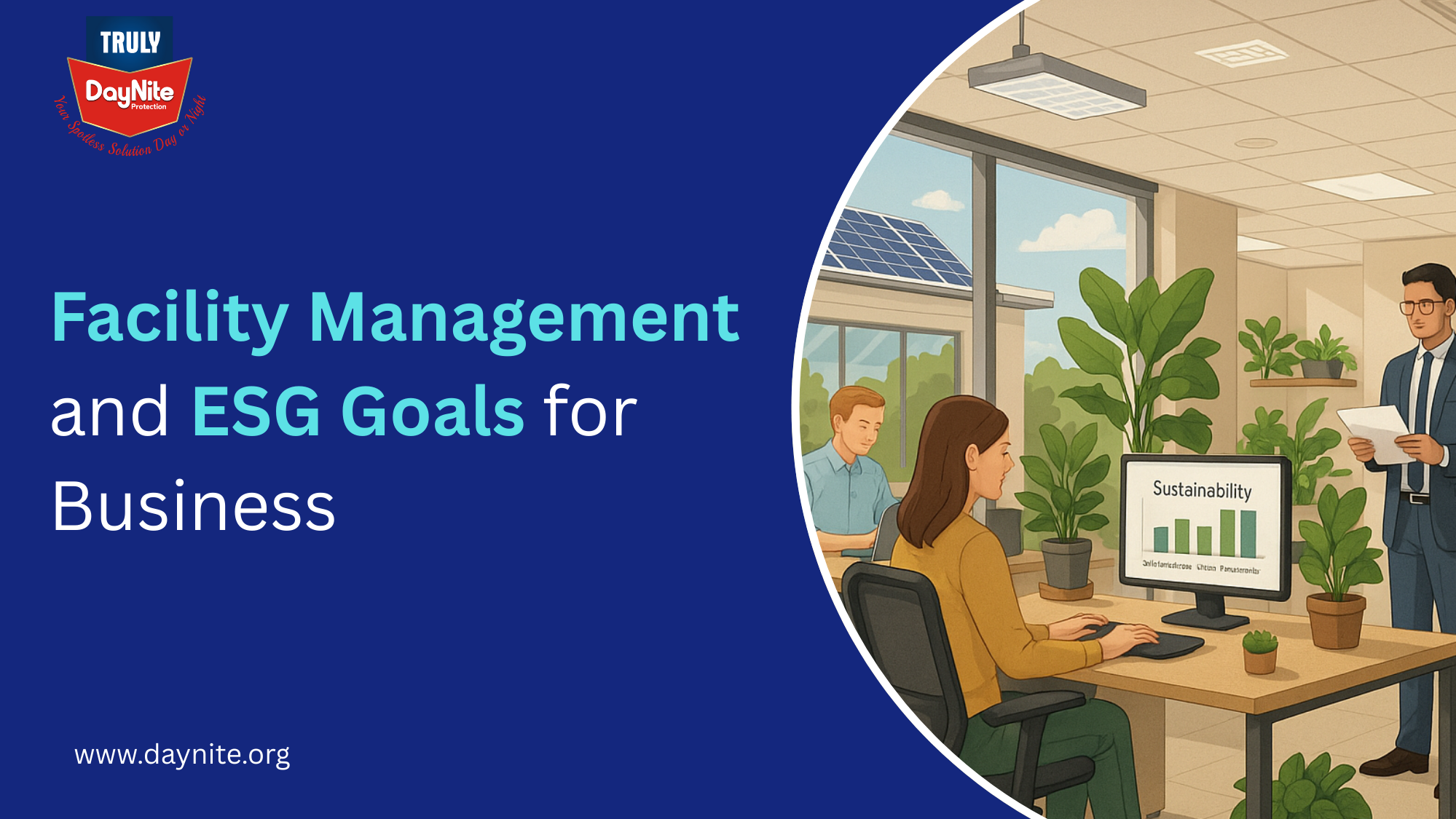
Facility Management and ESG Goals are becoming inseparable in today’s business world. As companies move beyond profits to focus on sustainability and social impact, the role of facility managers has shifted from routine maintenance to driving meaningful change. From reducing energy bills to creating healthier workplaces, facility management teams now act as key enablers of environmental, social, and governance (ESG) objectives. This isn’t just about compliance; it’s about building a future-ready organization that cares for people, planet, and performance.
📌 The Connection Between Facility Management and ESG Goals
Facility management is more than just fixing air conditioners or managing office space. It’s about creating efficient, safe, and sustainable environments where employees, clients, and communities thrive. ESG goals, on the other hand, represent a company’s broader responsibility toward the environment, society, and ethical governance.
When these two areas intersect, businesses achieve:
-
Lower carbon footprints through energy optimization.
-
Improved employee wellbeing with healthier workspaces.
-
Stronger corporate reputation by aligning operations with global sustainability standards.
📌 Environmental Role of Facility Management in ESG Goals
One of the biggest areas where facility management supports ESG is environmental responsibility. Imagine an office building where LED lighting, solar panels, and smart HVAC systems cut energy use by 30%. Facility managers lead these initiatives by:

-
Monitoring real-time energy consumption.
-
Introducing renewable energy sources.
-
Reducing water waste with smart plumbing.
-
Managing recycling and responsible disposal programs.
These small operational improvements add up to major strides in achieving environmental sustainability targets.
📌 Social Benefits of Facility Management and ESG Goals
Facility management also contributes directly to the “S” in ESG — Social goals. From maintaining fire safety systems to ensuring clean, comfortable, and accessible spaces, facility managers safeguard people’s daily experiences.

Examples include:
-
Designing inclusive workplaces for employees with disabilities.
-
Implementing health and safety audits to reduce workplace hazards.
-
Supporting employee wellness with ergonomic furniture and clean air systems.
By putting people first, facility managers not only improve staff satisfaction but also build trust with stakeholders.
📌 Governance Impact of Facility Management on ESG Objectives
Governance may sound like boardroom jargon, but in facility management it translates into clear policies, compliance, and accountability. Facility managers contribute by:
-
Ensuring vendors follow ethical sourcing practices.
-
Maintaining transparent reporting on energy, waste, and safety metrics.
-
Setting compliance frameworks that meet both local and international standards.
This level of governance strengthens credibility with investors and regulators alike.
📌 Case Study: Facility Management Driving ESG Success
Take the case of LEED-certified office spaces in India. Companies like Infosys and Wipro have integrated advanced facility management practices — from energy-efficient campuses to zero-waste initiatives — aligning their operations with ESG benchmarks. These moves not only reduce operational costs but also position them as global leaders in sustainable business.
📌 Future of Facility Management and ESG Goals
The future is clear: facility management will continue to be a strategic driver of ESG success. With smart technologies like IoT sensors, AI-based energy monitoring, and green construction practices, the connection between facility operations and ESG outcomes will only grow stronger.
Businesses that embed facility management into their ESG roadmap will enjoy reduced risks, stronger brand reputation, and long-term sustainability.
📌 Conclusion
Facility Management and ESG Goals are no longer separate conversations — they are deeply interconnected. By optimizing resources, improving social impact, and ensuring governance, facility managers play a crucial role in shaping sustainable organizations. As global demand for responsible business rises, companies that invest in facility management as part of their ESG journey will lead the way in building a better future.
